Th Energy Price Cap is Going Up 4%
But that headline doesn’t tell the whole story...
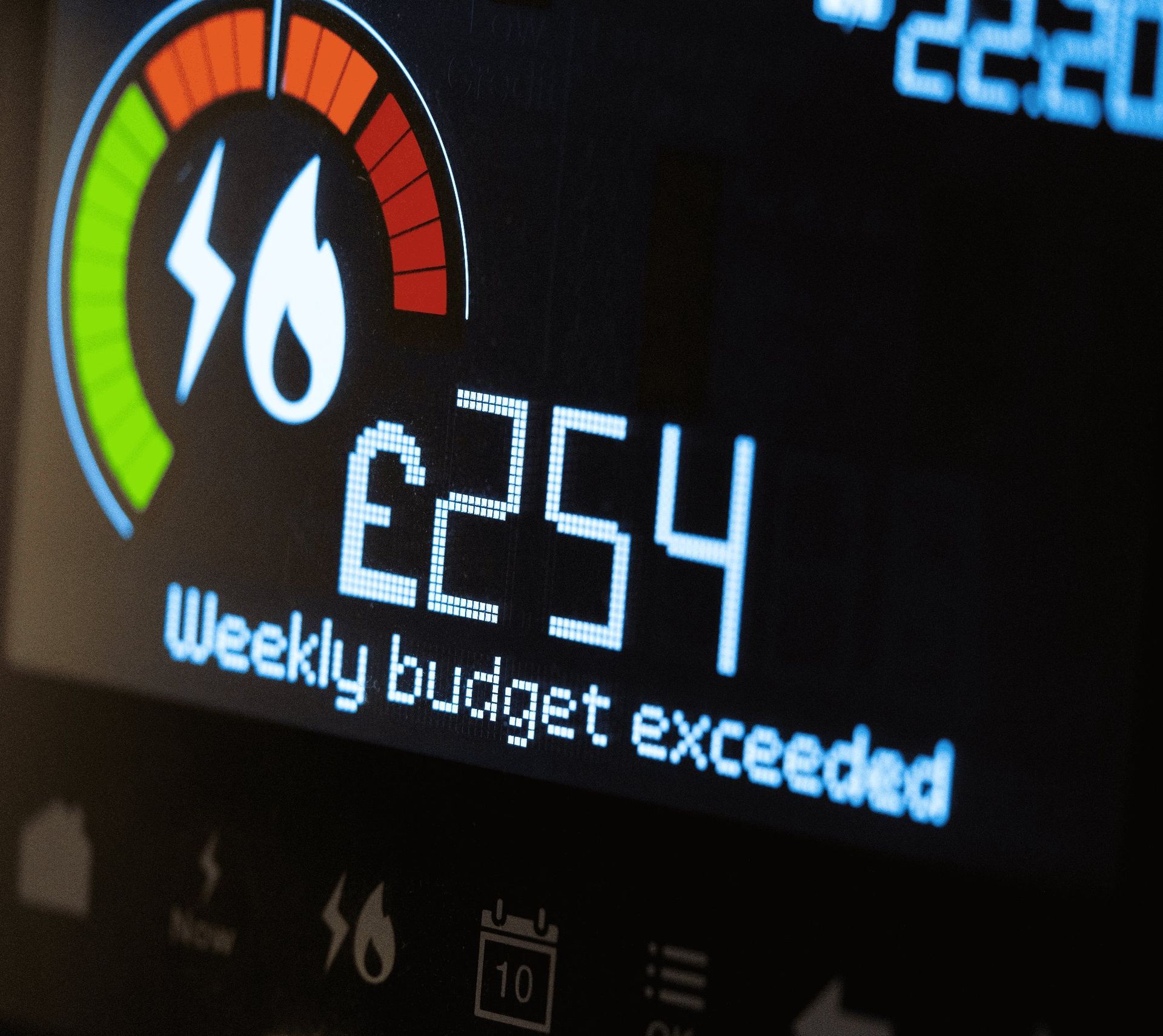
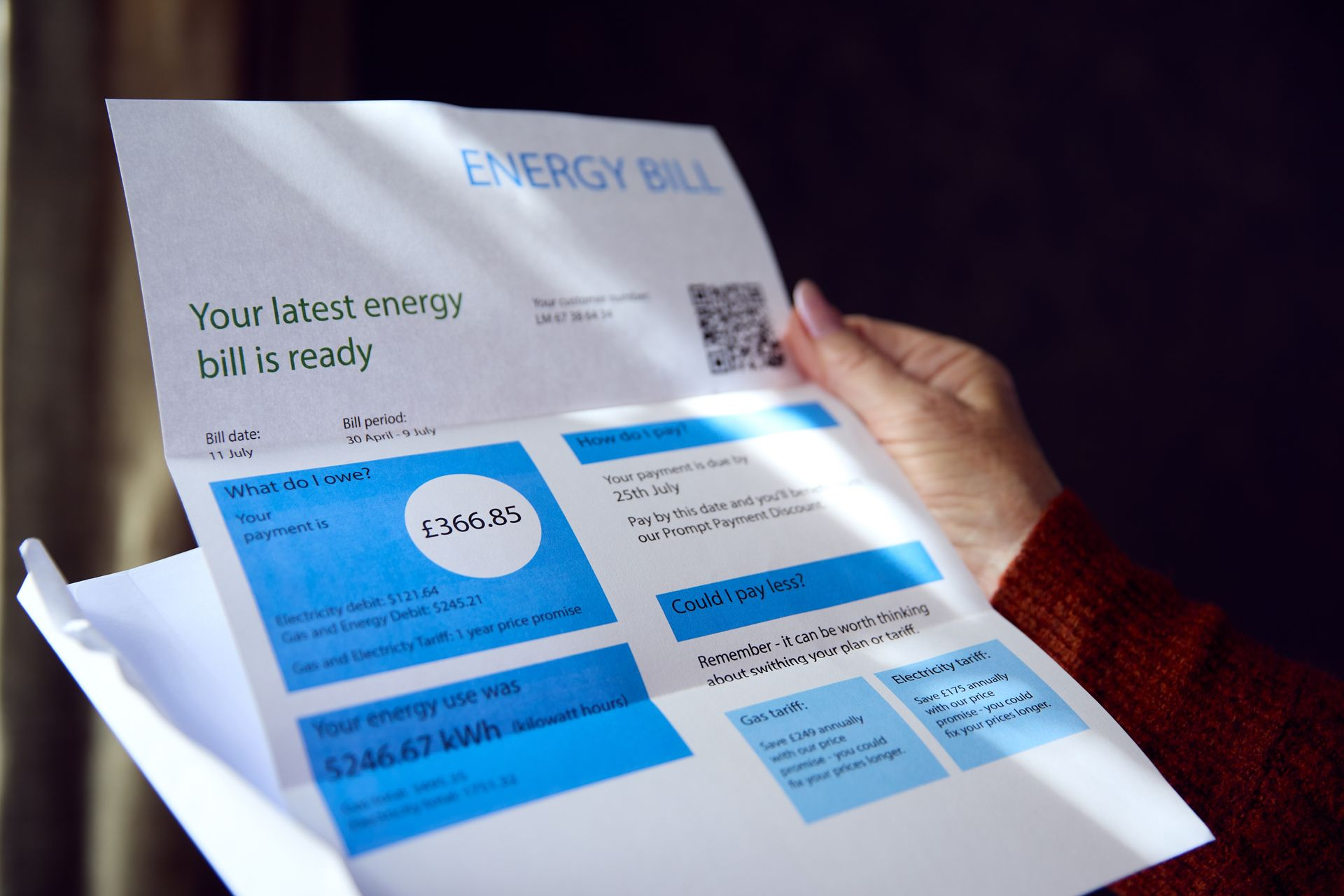
From 1 October, Ofgem’s typical annual Direct Debit figure will rise from £1,663 to £1,723.
At the same time, the Government is removing VAT from household electricity bills for the winter.
So VAT is coming down… but the overall cap is still going up.
Why?
One of the biggest pressures is the wholesale cost of gas.
And this is where I think we need to do a better job of explaining energy bills to consumers.
The £1,723 figure is not a cap on what you can pay.
It’s an illustration based on typical consumption. Use more energy and you’ll pay more. Use less and you’ll pay less.
Then there’s another important part of the announcement.
Ofgem says fixed tariffs are currently available at £100 or more below the October price cap.
That doesn't automatically mean everyone should rush out and fix.
But it does mean people should be looking at their options rather than assuming the price cap is protecting them from paying more than they need to.
This is exactly why we created Miss Money Savvy.
Most people don't want to spend their evenings comparing unit rates, standing charges, broadband contracts, mobile bills and everything else that comes out of their bank account each month.
They just want someone to make it simple.
A 4% increase might not sound enormous in isolation.
But add another £5 here, £10 there, a broadband increase, an insurance renewal and a mobile contract you've forgotten about and suddenly that's a meaningful amount of money disappearing from a household every month.
The real opportunity isn't always one huge saving.
It's understanding where your money is going and making sure you're not paying more than you need to.
That's what being money savvy is really about. Tap here to try out our simple bills calculator to see what you could be saving with us today.
#MissMoneySavvy #EnergyPriceCap #EnergyBills #CostOfLiving #PersonalFinance #MoneySaving